US threatens indefinite Iran blockade
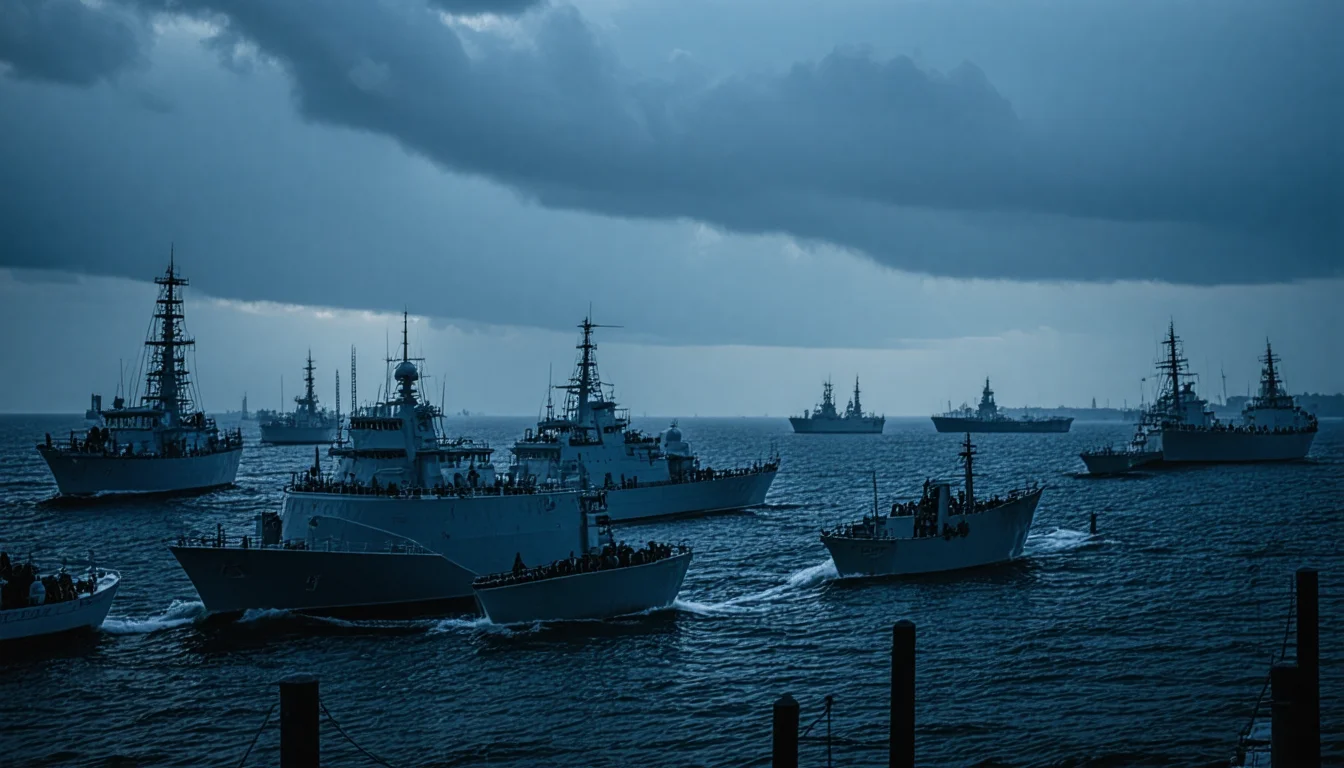
The United States said it could keep a naval blockade of Iran in place indefinitely, increasing economic pressure on Tehran as ceasefire talks stalled. Defence Secretary Pete Hegseth said the Navy could sustain the mission by rotating ships in and out of the region.
The report said the blockade has caused severe damage to Iran’s economy. It also said the Strait of Hormuz remains blocked and would not reopen until Iran’s conditions are accepted.
Key Events
- The United States threatened to maintain a naval blockade of Iran indefinitely.
- Defence Secretary Pete Hegseth said the US Navy could rotate ships to sustain the blockade.
- The blockade was described as causing severe economic damage to Iran.
- Ceasefire talks were said to have floundered.
- The Strait of Hormuz was reported to remain blocked until Iran's conditions were accepted.
US signals long-term Iran blockade
The United States has signaled that it can maintain its naval blockade of Iran for as long as needed, heightening concerns over the Strait of Hormuz and global energy supplies. Shipping through the waterway has fallen below the monthly average as the standoff deepens.
Iran’s military rejected US claims that vessels are moving through the strait normally. State media quoted Iranian officials saying no commercial ship or oil tanker can pass without Tehran’s approval, and that the waterway remains under Iran’s control and supervision.
The US position comes as ceasefire efforts remain stalled and pressure grows over the risk to oil flows and maritime trade in one of the world’s most important chokepoints.
Key Events
- Shipping traffic through the Strait of Hormuz dropped below its monthly average amid rising US-Iran tensions.
- Iran’s Basij paramilitary chief said the strait was under Iran’s control and management.
- Iran’s military said no commercial ship or oil tanker could pass without Tehran’s approval.
- The United States said it could maintain its naval blockade of Iran indefinitely.
- US officials vowed to intensify economic pressure on Tehran while ceasefire talks stalled.