Trump imposes tariffs on drone imports
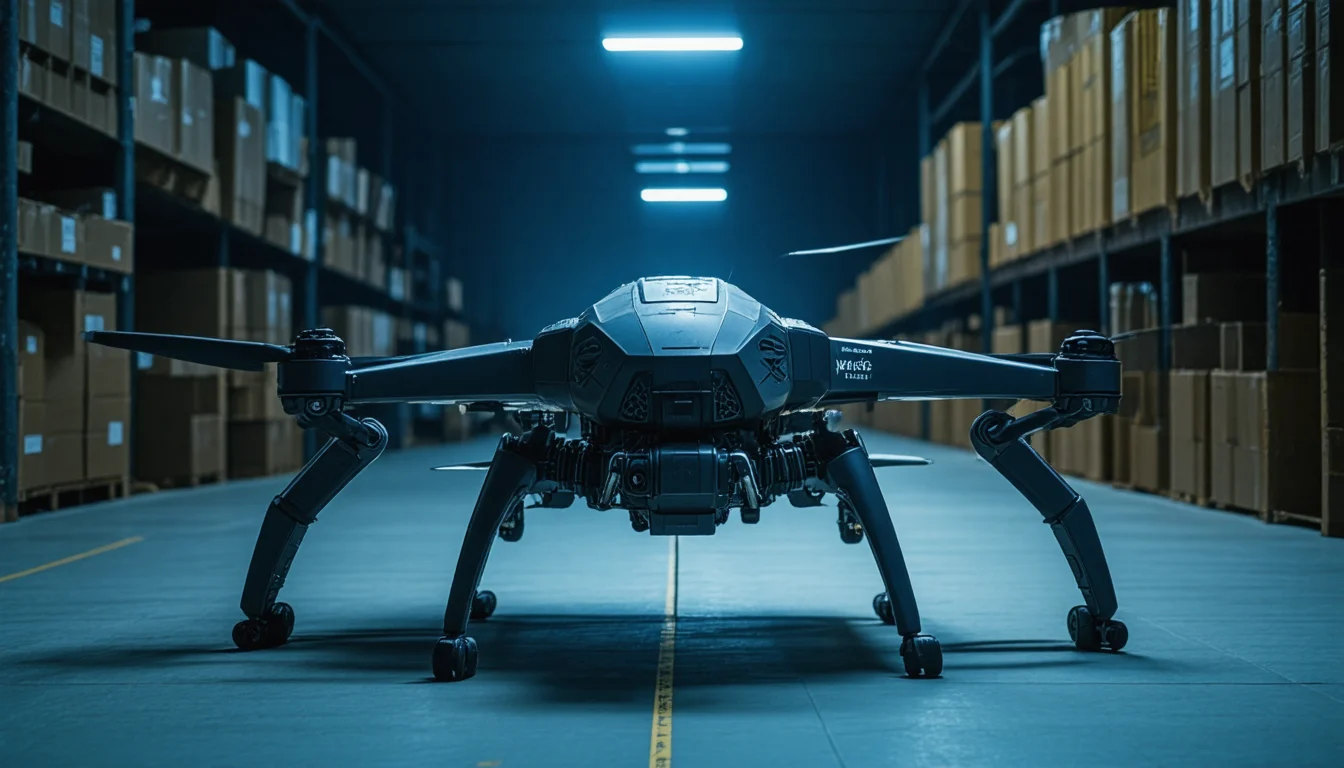
The United States is imposing a new tariff regime on imported drones and their components in an effort to reduce reliance on foreign suppliers. The top rate of 100% will apply to certain drones with national-security capabilities or a specified size, while smaller drones will be taxed at 25%.
The policy also sets country-based rates for some trade partners. Imports from the European Union, Japan, Switzerland and Taiwan will face a 15% tariff under certain sourcing conditions, while the United Kingdom will be charged 10%.
According to the proclamation, most of the new duties will take effect in 21 days. Tariffs on some less-sensitive components will begin later, after 180 days.
Key Events
- Donald Trump signed a proclamation to impose new tariffs on imported drones and their components.
- A 100% tariff will apply to certain larger drones or drones with national-security capabilities.
- Smaller drones that do not have national-security capabilities will face a 25% tariff.
- Drones and parts from the European Union, Japan, Switzerland and Taiwan will face a 15% tariff if hardware and technology originate there and in the U.S.
- The United Kingdom will face a 10% tariff on drones and components.
- Most of the tariffs will take effect in 21 days, while some smaller-drone duties will begin in 180 days.
Trump imposes tariffs on imported drones
President Donald Trump signed a proclamation imposing new tariffs on imported drones and drone parts, citing national security concerns and the need to strengthen U.S. supply chains. The highest rate, 100%, applies to certain drones with a maximum takeoff weight above 25 kilograms and to drones with sensitive capabilities such as thermal imaging, along with docking stations and critical components.
Lower rates apply to other products. Smaller drones and some other components face a 25% tariff, while drones and components from the European Union, Japan, Liechtenstein, South Korea, Switzerland and Taiwan are subject to a 15% tariff if sourcing requirements are met. Drones from the United Kingdom face a 10% tariff under similar conditions.
The proclamation also directs the Commerce Secretary to establish an onshoring program to support new U.S. manufacturing investment. Most of the tariffs take effect 21 days after signing, while certain component tariffs are delayed for 180 days.
Key Events
- Trump signed a proclamation imposing tariffs on imported drones and components.
- A 100% tariff was set for certain larger drones and drones with sensitive capabilities such as thermal imaging, plus docking stations and critical parts.
- Smaller drones and some other components will face a 25% tariff.
- Drones and components from the EU, Japan, Liechtenstein, South Korea, Switzerland and Taiwan will face a 15% tariff if sourcing rules are met.
- Drones from the UK will face a 10% tariff under similar sourcing conditions.
- The Commerce Secretary was authorized to create an onshoring program for new drone manufacturing investment.
- Most tariffs are scheduled to take effect 21 days after signing, while some component tariffs are delayed to 180 days.
Trump announces tariffs on imported drones
Donald Trump announced new tariffs on imported drones and drone parts, with rates reaching as high as 100% for certain categories. The White House said the policy is meant to address national security concerns and reduce U.S. dependence on foreign suppliers, especially in a sector heavily influenced by China.
Under the plan, drones weighing more than 25 kilograms and equipped with features such as thermal imaging cameras or docking stations will face the full 100% duty. Smaller drones will be taxed at 25%. The administration also said the tariffs are intended to support domestic manufacturing and strengthen U.S. supply chains. Most of the duties are set to begin on September 3.
Key Events
- Trump announced new tariffs on imported unmanned drones and their parts.
- The White House said the move was justified on national security grounds.
- A 100% duty was set for certain drones, including models weighing more than 25 kilograms and those with thermal imaging capabilities or docking stations.
- Lighter drones were assigned a 25% tariff.
- The administration said the policy is intended to boost domestic manufacturing and reduce reliance on foreign supply chains.
- Most of the tariffs are scheduled to take effect on September 3.