Iran and US clash over Hormuz reopening
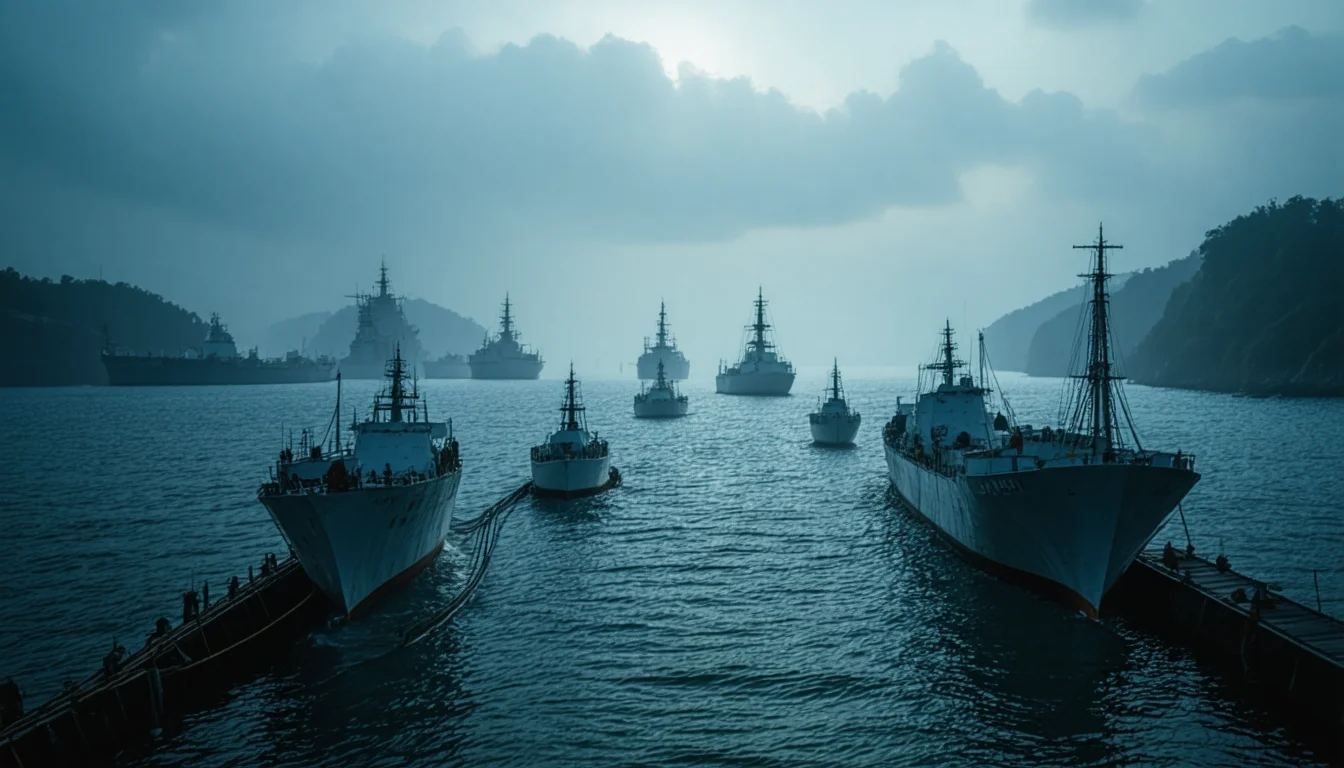
Iran says it is close to reaching a new shipping arrangement with Oman over the Strait of Hormuz, but officials in Tehran say that alone will not be enough to reopen the waterway. The strait is a critical route for global energy shipments, and the reported deal is tied to broader talks over the conflict and regional security.
According to the article, Iran wants Washington to stop threats against it, end military pressure, withdraw forces involved in the blockade, lift sanctions, release frozen assets, and provide compensation for wartime damage. The United States, by contrast, wants commercial shipping to resume without restrictions first and says it would then consider lifting its blockade of Iranian ports.
The result is a deep disconnect between the two sides: Iran frames reopening as part of a larger political settlement, while the U.S. treats it as a separate shipping issue. Iranian Foreign Minister Abbas Araghchi said Tehran and Muscat were very close to an agreement, but the wider dispute remains unresolved.
Key Events
- Iran said it is close to an agreement with Oman on a new shipping arrangement for the Strait of Hormuz.
- Tehran said that reopening the waterway would require broader political and security concessions from Washington.
- Iranian officials listed demands including an end to U.S. threats, withdrawal of forces tied to the blockade, sanctions relief, frozen asset releases, and compensation.
- The United States said it expects normal commercial shipping to resume before taking further steps.
- The article describes a major gap between the two sides, with Iran tying the strait to a wider settlement and the U.S. focusing on restoring shipping first.
Iran ties Hormuz reopening to U.S. policy
Iran’s top security official said the Strait of Hormuz will remain closed until the United States changes its policies toward Tehran. Mohammad Bagher Zolghadr, secretary of the Supreme National Security Council, linked any reopening to an end to sanctions, military pressure, and threats against Iran.
He also demanded that Washington end what he described as aggression against Iran and its allies in Lebanon, Palestine, Yemen, and Iraq. His list of conditions included lifting the maritime blockade, withdrawing U.S. naval and air forces from around Iran, paying compensation for wartime damage, and releasing frozen or seized Iranian assets.
Key Events
- Mohammad Bagher Zolghadr said the Strait of Hormuz would not reopen until the United States changes its policies toward Iran.
- He demanded an end to military aggression and sanctions against Iran.
- He called for an end to threats against Iran and insults to its religious sanctities.
- He urged Washington to stop attacks against Iran’s allies in Lebanon, Palestine, Yemen, and Iraq.
- He asked for a lifting of the maritime blockade and the withdrawal of U.S. naval and air forces from around Iran.
- He called for compensation for damages caused by two imposed wars and the release of frozen or seized Iranian assets.
- Zolghadr said the Supreme National Security Council would not back down in war or negotiations.
Iran sets demands for shipping lanes
Iran has set out a series of demands before shipping lanes in the Strait of Hormuz can be restored. In a statement carried by state media, security chief Zolghadr said Washington must remove its naval embargo on Iranian ports, end economic sanctions, and provide war reparations.
He also said U.S. military forces must withdraw from the region and halt actions directed against Tehran’s allies. The conditions appear to tie any reopening of maritime traffic to broader political and military concessions from the United States.
Key Events
- Iran issued an official statement through state media on conditions for restoring shipping lanes in the Strait of Hormuz.
- Zolghadr said the United States must lift its naval embargo on Iranian ports.
- He called for an end to economic sanctions and the payment of war reparations.
- He also demanded that U.S. military forces leave the region.
- He said military actions targeting Tehran’s regional allies must stop.